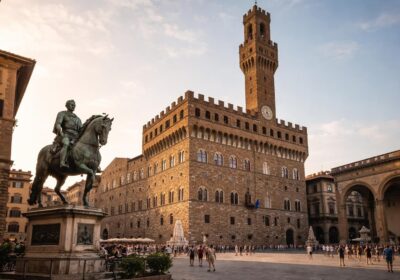


The travel industry has transformed dramatically over the past decade, with tours and tickets evolving from simple admission passes to sophisticated, multi-tiered experiences that cater to diverse traveler preferences. Modern travelers expect seamless booking processes, flexible entry options, and enriched experiences that go beyond basic access to attractions. Understanding the landscape of tours and tickets requires knowledge of pricing strategies, technology integration, and the changing expectations of global visitors in 2026.
The Evolution of the Tours and Tickets Industry
The tours and tickets sector has experienced remarkable growth, with the in-destination experiences market now estimated at approximately $300 billion globally. This expansion reflects fundamental shifts in how travelers plan and experience their destinations.
Market Dynamics and Consumer Behavior
Today's travelers prioritize convenience and authentic experiences over generic tourist activities. They seek skip-the-line access to minimize wait times at popular attractions, personalized guided tours that offer deeper cultural insights, and flexible booking options that accommodate spontaneous travel plans. The demand for premium experiences has created a tiered market structure where basic admission tickets coexist with enhanced offerings like private tours, audio-guided experiences, and exclusive after-hours access.
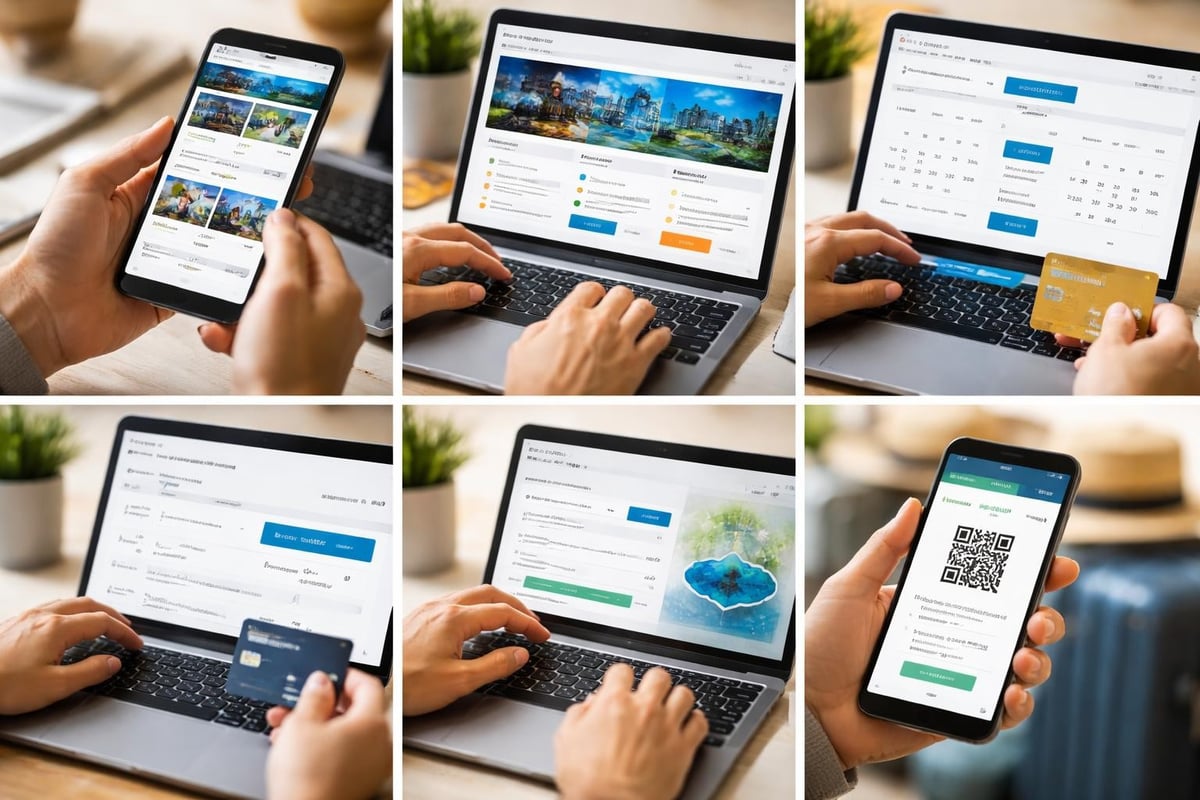
The shift toward digital booking platforms has revolutionized how visitors purchase tours and tickets. Mobile-first consumers expect instant confirmation, real-time availability updates, and seamless integration with their travel itineraries. This technological evolution has enabled operators to implement sophisticated inventory management systems and dynamic pricing models that optimize revenue while meeting customer expectations.
Strategic Pricing Approaches for Tours and Tickets
Pricing strategy directly impacts profitability and market positioning in the competitive tours and tickets landscape. Operators must balance accessibility with revenue optimization while maintaining perceived value across different customer segments.
Demand-Based Pricing Models
Dynamic pricing has become increasingly sophisticated in the tours and tickets industry. Research demonstrates that implementing microservices-oriented dynamic pricing systems can increase revenue by 22% while improving pricing response times by 17%. This approach adjusts prices based on real-time demand, seasonal patterns, competitor pricing, and inventory levels.
Operators should consider these effective pricing strategies:
- Peak and off-peak differentiation: Charge premium rates during high-demand periods and offer discounts during slower times to maintain steady visitor flow
- Early bird specials: Incentivize advance bookings with discounted rates that help predict demand and manage capacity
- Bundle pricing: Combine multiple attractions or add-ons at a reduced total cost compared to individual purchases
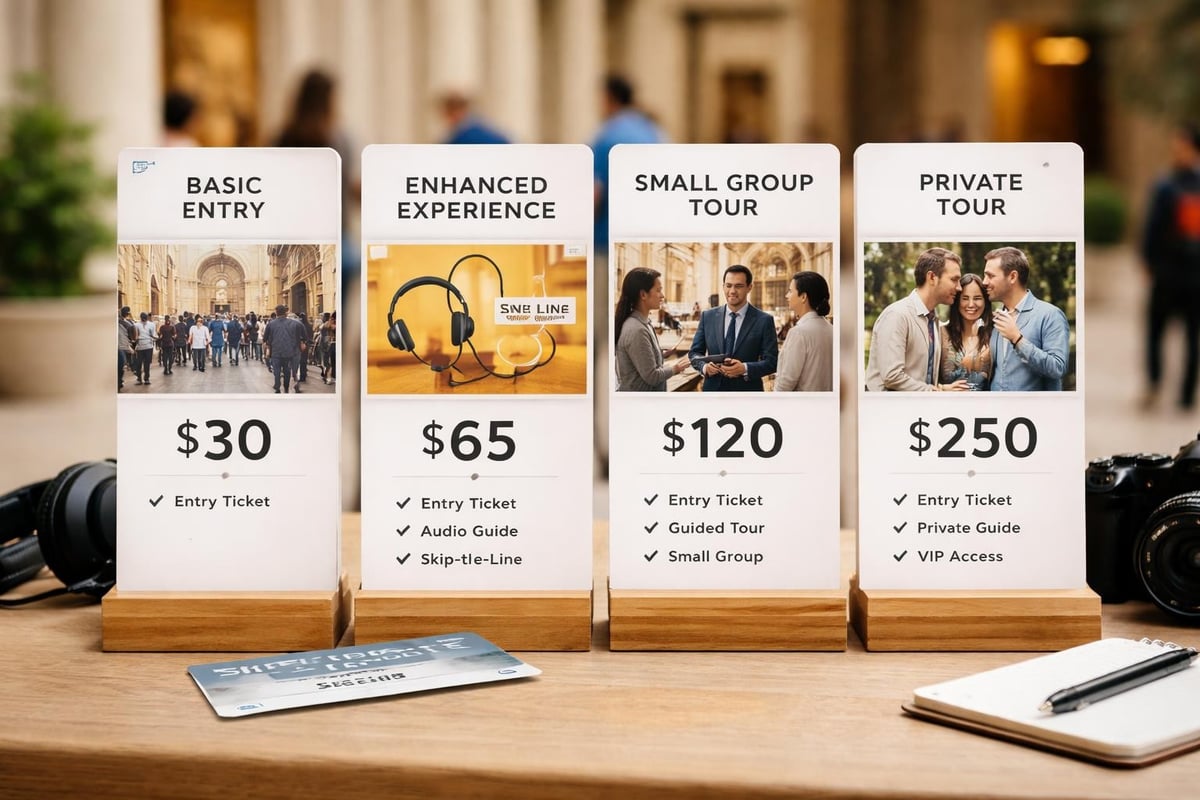
- Tiered experience pricing: Offer basic, enhanced, and premium versions of the same experience at different price points
Value-Based Pricing Considerations
Beyond demand-based adjustments, successful tours and tickets pricing reflects the genuine value delivered to customers. A private guided tour of Florence’s Duomo Cathedral commands higher prices than basic admission because it provides exclusive access to expert knowledge, personalized attention, and a more intimate experience.
| Pricing Tier | Typical Features | Ideal Customer |
|---|---|---|
| Basic Entry | Standard admission, self-guided | Budget-conscious, independent travelers |
| Enhanced Access | Skip-the-line, audio guide, flexible timing | Time-sensitive visitors seeking convenience |
| Premium Experience | Private guide, exclusive access, customization | Luxury travelers, special occasions |
Technology Integration in Modern Ticketing Systems
The technical infrastructure supporting tours and tickets has become increasingly sophisticated, enabling operators to deliver seamless experiences from initial discovery through post-visit engagement.
Digital Ticketing Solutions
Paper tickets have largely been replaced by digital alternatives that offer superior convenience and security. QR codes, mobile wallets, and NFC-enabled passes allow visitors to access attractions without physical documents. These systems integrate with customer relationship management platforms, enabling operators to track visitor behavior, send personalized communications, and gather valuable feedback.
Timed-entry systems represent a crucial technological advancement that benefits both operators and visitors. By distributing arrival times throughout the day, attractions can manage crowd levels, enhance the visitor experience, and optimize staff deployment. A timed-entry ticket with audio guide provides guaranteed admission at a specific time while giving visitors the freedom to explore at their own pace.
Best Practices for Ticketing Implementation
Industry best practices for ticketing emphasize several critical elements:
- Plan capacity carefully: Determine optimal visitor numbers based on physical space, staff availability, and quality experience standards
- Offer multiple ticket options: Provide choices that cater to different preferences, budgets, and travel styles
- Avoid per-ticket fees: Build processing costs into the ticket price rather than adding unexpected charges at checkout
- Implement clear cancellation policies: Establish fair, transparent refund terms that protect both business and customer interests
- Ensure mobile optimization: Design booking systems that function flawlessly on smartphones and tablets
- Provide instant confirmation: Send immediate booking confirmations with all necessary details and access instructions
Creating Compelling Tours and Tickets Sales Pages
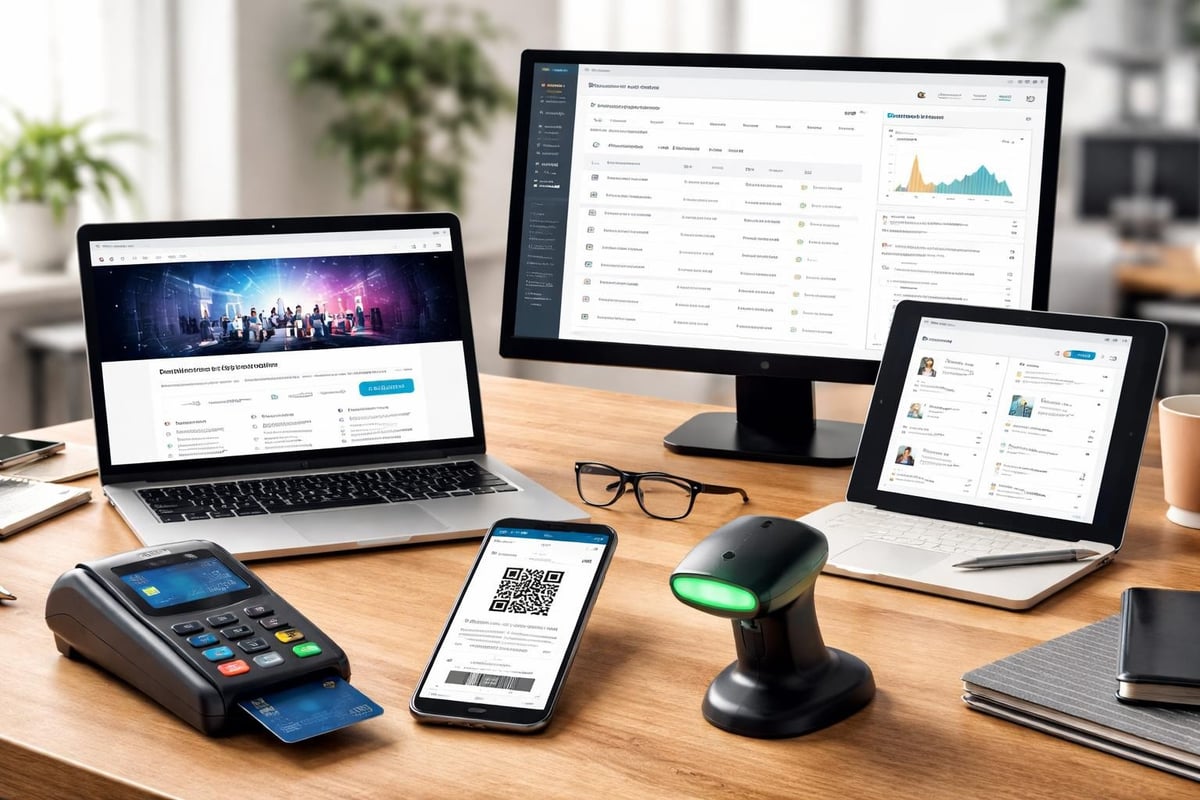
The digital storefront for tours and tickets must effectively communicate value, build trust, and facilitate conversions through clear, persuasive content and intuitive design.
Essential Sales Page Elements
Effective tour sales pages incorporate several critical components that drive bookings:
Clear calls to action should appear prominently throughout the page, using action-oriented language that creates urgency without being pushy. Rather than generic "Book Now" buttons, specific calls like "Reserve Your Skip-the-Line Access" or "Secure Your Private Tour" communicate exactly what customers receive.
High-quality visual content showcases the experience through professional photography and video. Images should depict actual tour moments, highlight unique features, and help visitors visualize themselves participating. For a Palazzo Vecchio fast-track entry, photos might showcase the building's stunning interiors, the absence of entry queues, and engaged visitors exploring the Medici family heritage.
Detailed descriptions address common questions and concerns before they arise. Specify exactly what's included, duration, meeting points, accessibility accommodations, and any restrictions. This transparency builds trust and reduces support inquiries.
Social Proof and Trust Signals
Customer reviews and ratings significantly influence purchasing decisions in the tours and tickets market. Display authentic testimonials prominently, highlighting specific benefits visitors appreciated. Quantifiable metrics like "4.8/5 stars from 3,247 reviews" provide immediate credibility.
Trust badges from recognized payment processors, industry associations, and security certifications reassure customers during the booking process. Clear privacy policies and secure checkout indicators reduce abandonment rates.
Diversifying Tours and Tickets Offerings
Successful operators in the tours and tickets space recognize that different travelers seek fundamentally different experiences at the same attractions. Offering multiple tiers allows businesses to capture broader market segments while maximizing revenue per visitor.
Tiered Experience Strategies
Basic skip-the-line tickets serve price-conscious travelers who value time savings but prefer self-guided exploration. These offerings provide priority access without additional enhancements, appealing to independent visitors who research extensively before arriving.
Audio-guided experiences bridge the gap between basic admission and fully guided tours. A Cathedral entry ticket with optional climb and audio guide allows visitors to learn at their own pace while benefiting from expert narration. This format accommodates various language preferences and learning styles without the higher cost of live guides.
Private guided tours represent the premium tier, offering personalized attention, flexible pacing, and deep expertise. These experiences justify premium pricing through exclusive access, customized content, and the ability to ask questions throughout the visit.
| Experience Type | Average Duration | Group Size | Price Point | Best For |
|---|---|---|---|---|
| Skip-the-line entry | Flexible | Unlimited | $ | Independent explorers |
| Hosted entry with audio | 1-2 hours | Unlimited | $$ | Self-paced learners |
| Small group tour | 2-3 hours | 6-15 people | $$$ | Social travelers |
| Private guided tour | 2-4 hours | 1-6 people | $$$$ | Personalized experiences |
Specialty and Niche Tours
Beyond standard attraction access, specialized tours and tickets cater to specific interests and demographics. Art-focused experiences might include guided Uffizi Gallery tours that emphasize Renaissance masterpieces, while architecture enthusiasts might prefer tower climb tickets offering panoramic views and structural insights.
Thematic experiences create memorable, shareable moments that generate word-of-mouth marketing. Food tours, photography walks, and historical deep-dives attract passionate enthusiasts willing to pay premium prices for expertise and access.
Operational Excellence in Tours and Tickets Management
Behind every successful tours and tickets operation lies robust systems for inventory management, customer service, and quality control. These operational foundations determine whether businesses can scale effectively while maintaining high standards.
Inventory and Capacity Management
Effective capacity planning prevents overbooking while maximizing revenue opportunities. Operators must account for physical space limitations, guide availability, equipment requirements, and quality experience thresholds. Dynamic allocation systems adjust inventory distribution across channels based on performance, reserving capacity for high-value private bookings while releasing unsold slots to general admission as departure times approach.
Seasonal demand fluctuations require flexible staffing models and strategic pricing adjustments. Peak tourism periods justify premium pricing and extended operating hours, while shoulder seasons benefit from promotional campaigns and special events that stimulate demand.
Customer Communication Protocols
Clear, timely communication throughout the customer journey reduces confusion and enhances satisfaction. Confirmation emails should include comprehensive details about meeting points, what to bring, weather considerations, and contact information for questions.
Pre-visit reminders sent 24-48 hours before scheduled tours and tickets reduce no-shows while providing opportunities to upsell additional experiences or offer relevant information. Post-visit follow-ups requesting reviews and suggesting related experiences encourage repeat bookings and positive word-of-mouth.
Distribution Channels for Tours and Tickets
Modern tours and tickets operators leverage multiple distribution channels to reach diverse customer segments, balancing direct bookings against third-party marketplace exposure.
Direct Booking Advantages
Direct sales through proprietary websites offer the highest profit margins by eliminating commission fees charged by intermediaries. Building a strong direct booking channel requires investment in search engine optimization, paid advertising, and conversion rate optimization, but the long-term benefits include customer data ownership, brand control, and pricing flexibility.
The EU Tours website exemplifies direct booking optimization, presenting clear tour options, transparent pricing, and streamlined checkout processes that convert browsers into bookers.
Third-Party Marketplace Considerations
Online travel agencies and activity platforms provide access to massive customer bases actively searching for tours and tickets. While commissions typically range from 15% to 30%, these channels offer instant credibility, extensive reach, and reduced marketing costs. According to industry analysis, the in-destination experiences sector continues growing as a major component of overall tourism spending.
Successful operators maintain presence across multiple channels while implementing strategies to convert marketplace discoveries into direct repeat bookings. Exceptional on-tour experiences encourage guests to book future visits directly, effectively using third-party platforms as customer acquisition tools.
Future Trends Shaping Tours and Tickets
The tours and tickets industry continues evolving rapidly, driven by technological advancement, changing consumer preferences, and global travel patterns. Understanding emerging trends helps operators position themselves for long-term success.
Personalization and Customization
Travelers increasingly expect experiences tailored to their specific interests, pace preferences, and accessibility requirements. Advanced booking systems now allow customers to customize tour elements, selecting specific areas of focus, preferred languages, dietary accommodations, and mobility considerations.
Artificial intelligence and machine learning enable sophisticated recommendation engines that suggest relevant tours and tickets based on browsing behavior, previous bookings, and traveler profiles. These systems improve conversion rates while enhancing customer satisfaction through relevant suggestions.
Sustainability and Responsible Tourism
Environmental consciousness influences purchasing decisions across all travel sectors, including tours and tickets. Operators implementing sustainable practices and communicating these efforts attract environmentally aware travelers willing to pay premium prices for responsible experiences.
Small-group tours naturally align with sustainability values by reducing overtourism impacts, while timed-entry systems distribute visitor loads more evenly throughout operating hours. Transparent communication about capacity limitations and conservation efforts resonates with conscientious travelers.
Contactless and Autonomous Experiences
The acceleration of contactless technology adoption continues shaping tours and tickets delivery. Self-service kiosks, mobile check-in systems, and autonomous audio guides reduce operational costs while accommodating travelers who prefer minimal human interaction.
However, the enduring appeal of human connection ensures that guided experiences remain valuable. The key lies in offering choice, allowing customers to select their preferred balance between technological convenience and personal interaction.
Quality Assurance in Tours and Tickets Delivery
Maintaining consistent quality across all tours and tickets offerings requires systematic approaches to training, monitoring, and continuous improvement.
Guide Training and Development
For guided experiences, tour leader quality directly determines customer satisfaction and review scores. Comprehensive training programs should cover factual accuracy, storytelling techniques, group management skills, and customer service excellence. Regular knowledge updates ensure guides provide current, relevant information that reflects recent discoveries and evolving interpretations.
Ongoing performance monitoring through customer feedback, mystery shopping, and peer reviews identifies training opportunities and recognizes exceptional performers. Creating career development pathways for outstanding guides reduces turnover and maintains institutional knowledge.
Feedback Integration and Improvement
Systematic collection and analysis of customer feedback reveals patterns that inform operational improvements. Negative reviews highlighting specific issues demand immediate investigation and corrective action, while positive feedback identifying beloved elements should be emphasized in marketing communications.
Implementing closed-loop feedback systems where customers see their suggestions translated into actual improvements builds loyalty and demonstrates commitment to continuous enhancement.
Navigating the complex landscape of tours and tickets requires balancing operational excellence, strategic pricing, technological integration, and exceptional customer experiences. Whether you're seeking skip-the-line access to Florence's iconic landmarks, immersive audio-guided exploration, or personalized private tours with expert guides, EU Tours delivers curated experiences that transform ordinary visits into extraordinary memories. Discover priority access to the Duomo, Accademia Gallery, Palazzo Vecchio, and more through flexible booking options designed for modern travelers.