
Florence Activities: Must-Do Experiences in 2026
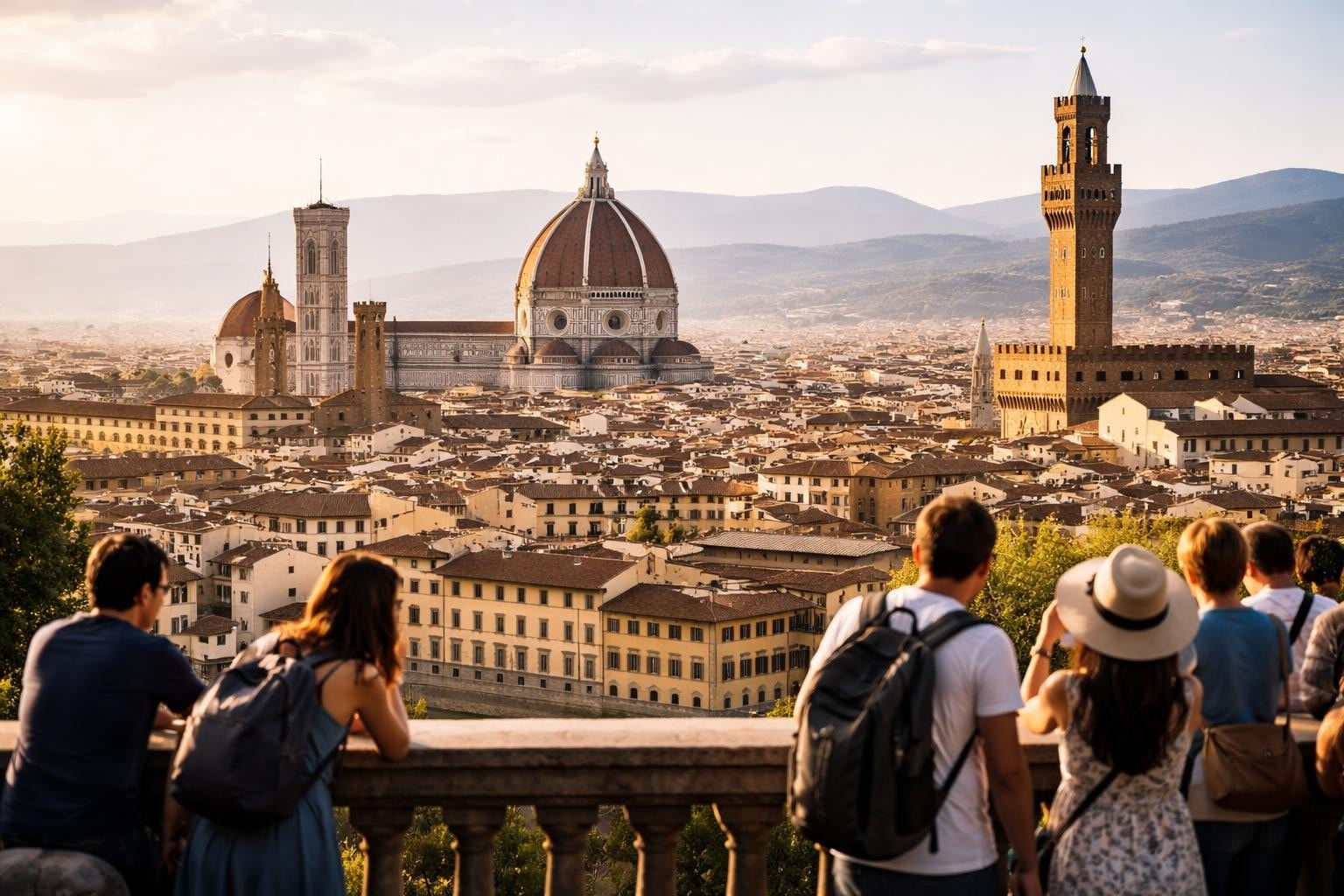
Florence stands as one of Europe's most captivating destinations, where every cobblestone street and Renaissance palace tells a story spanning centuries. The cradle of the Renaissance offers an extraordinary range of experiences, from world-renowned art galleries housing Michelangelo's masterpieces to architectural marvels that defined an era. Whether you're planning your first visit or returning to discover new dimensions of this Tuscan jewel, understanding the breadth of Florence activities available helps you make the most of your time in this remarkable city. With thoughtful planning and priority access to major attractions, you can experience the city's treasures without spending precious vacation hours waiting in lines.
Essential Art and Museum Experiences
The artistic heritage of Florence draws millions of visitors annually, and the city's museums represent some of humanity's greatest creative achievements. The Accademia Gallery remains one of the most sought-after destinations, primarily because it houses Michelangelo's David, the iconic Renaissance sculpture that has captivated viewers since its completion in 1504.
Securing fast-track access to the Galleria dell’Accademia transforms the experience from a test of patience into an enriching cultural encounter. The gallery features additional treasures beyond David, including Michelangelo's unfinished Prisoners sculptures, a collection of Florentine Gothic paintings, and historical musical instruments. Many visitors opt for timed-entry tickets with audio commentary that provide context about the artworks and the Renaissance period.
Science and Innovation at Museo Galileo
Beyond traditional art galleries, Florence offers unique cultural experiences that showcase the city's contributions to scientific advancement. The Museo Galileo presents an impressive collection of scientific instruments from the Medici and Lorraine dynasties, demonstrating that Florence's Renaissance brilliance extended far beyond painting and sculpture.
The museum houses Galileo's original telescopes, celestial globes, astrolabes, and other instruments that revolutionized our understanding of the universe. Interactive displays make complex scientific concepts accessible, creating engaging florence activities for visitors of all ages. The collection includes over 1,000 instruments and apparatus, many of which are still functional today.
Architectural Masterpieces and Cathedral Complex
The Florence Cathedral, known locally as the Duomo di Firenze, dominates the city skyline with Brunelleschi's remarkable dome-an engineering marvel that remains the largest masonry dome ever constructed. The cathedral complex encompasses multiple structures, each offering distinct experiences and perspectives on Renaissance architecture.
| Structure | Height | Climb Steps | Key Features |
|---|---|---|---|
| Brunelleschi's Dome | 114.5 meters | 463 | Frescoes, panoramic views |
| Giotto's Bell Tower | 84.7 meters | 414 | Gothic architecture, Florence vistas |
| Cathedral Floor | Ground level | 0 | Marble floors, stained glass, artwork |
Visitors can choose from several options when exploring the cathedral complex. Reserved entry with hosted assistance ensures smooth access to the cathedral floor, while adventurous travelers can add climbs of either the dome or bell tower for breathtaking city views. The physical exertion required for these climbs rewards visitors with unparalleled perspectives of Florence's terracotta rooftops and the Tuscan hills beyond.
Palazzo Vecchio: Florence's Political Heart
Palazzo Vecchio served as the seat of Florentine government for centuries and remains a functioning city hall while also operating as a museum. The fortress-like palazzo contains magnificent halls decorated with frescoes depicting Florence's military victories, intricate ceiling decorations covered in gold leaf, and private apartments once occupied by the Medici family.
The Hall of the Five Hundred impresses visitors with its sheer scale and artistic grandeur, featuring enormous battle scene frescoes by Vasari. Exploring Palazzo Vecchio through skip-the-line access with audio guides allows you to move at your own pace while learning about the building's layered history from medieval fortress to Renaissance palace.
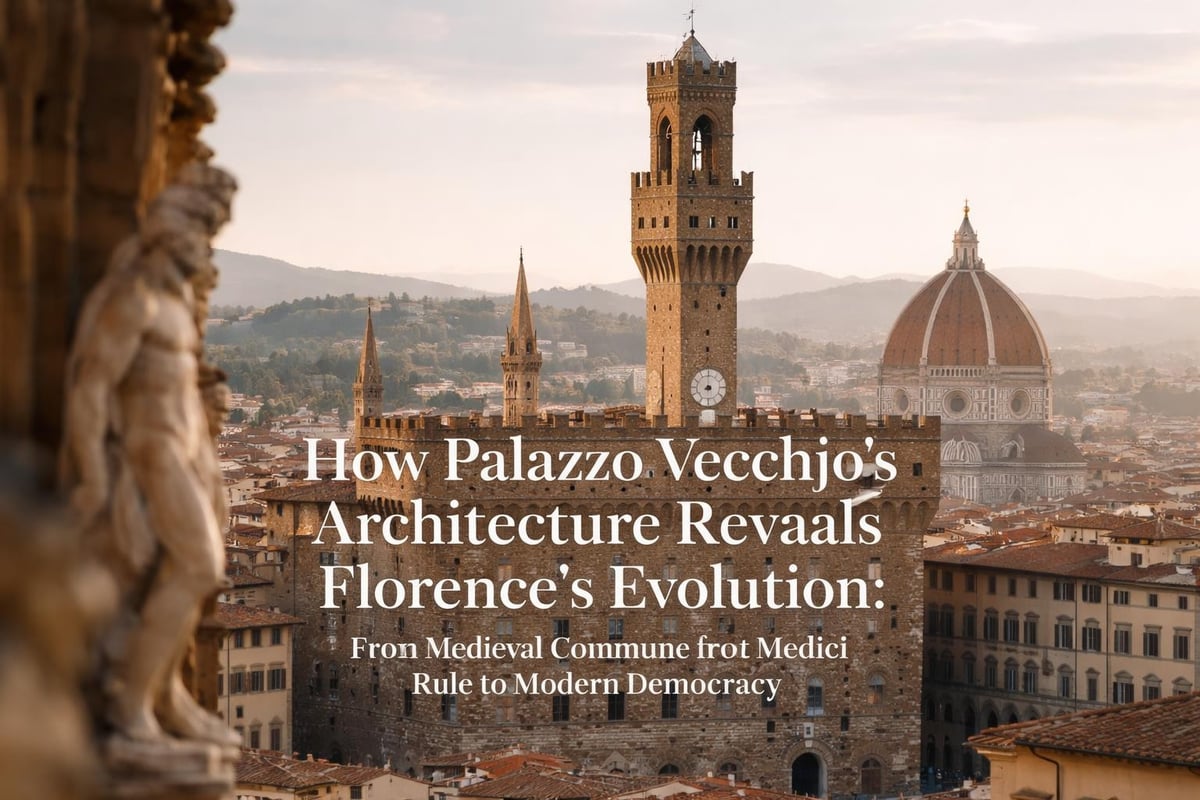
Secret passages, hidden staircases, and the tower climb offer additional dimensions to this florence activities highlight. The palazzo's excavations reveal Roman theater remains beneath the building, connecting modern Florence to its ancient roots.
Cultural Events and Seasonal Experiences
Florence's cultural calendar extends beyond permanent museum collections, offering dynamic events throughout the year. The Florence Biennale brings contemporary artists from around the world to exhibit in this historic city, creating an interesting dialogue between Renaissance heritage and modern creative expression.
Teatro Verdi, established in 1854, continues to host opera, ballet, and classical music performances in an elegant 19th-century setting. Attending a performance here ranks among the more refined florence activities, particularly during the opera season from September through April.
Gardens and Green Spaces
The Giardino dell’Iris showcases Florence's emblematic flower-the iris-in a hillside garden that blooms spectacularly each spring. This specialized botanical garden hosts an international iris competition annually, attracting horticulturalists and casual garden enthusiasts alike. The garden opens to the public only during the flowering season, typically from late April through May, making it a seasonal treasure worth planning around.
Beyond the iris garden, the Boboli Gardens behind Pitti Palace offer expansive Renaissance landscaping with sculptures, fountains, and manicured greenery. These formal Italian gardens provide peaceful respite from crowded museum halls while remaining historically and artistically significant in their own right.
Specialized Tours and Niche Interests
Fashion enthusiasts find Florence particularly rewarding, as the city maintains strong connections to Italian design heritage. The Salvatore Ferragamo Museum celebrates the legendary shoemaker who revolutionized footwear design and worked with Hollywood celebrities during cinema's golden age. The museum displays iconic shoe designs alongside temporary exhibitions exploring fashion, art, and cultural history.
Private fashion-focused experiences allow visitors to explore Florence's role in global style, from Renaissance textile production to modern luxury brands. These specialized florence activities often include visits to artisan workshops where traditional leather-working and bookbinding techniques continue unchanged for generations.
Private Guided Experiences
Private tours transform standard sightseeing into personalized educational experiences tailored to individual interests and pacing preferences. Expert guides provide context that brings Renaissance art and architecture to life, explaining the political intrigue, artistic rivalries, and cultural movements that shaped Florence's golden age.
For those seeking deeper engagement with specific subjects, private guided cathedral tours can focus on architectural innovations, religious symbolism, or artistic techniques. Similarly, private access to the Accademia Gallery allows for extended contemplation of Michelangelo's works with expert interpretation unavailable through audio guides.
Practical Considerations for Planning
Successfully experiencing Florence requires strategic planning, particularly during peak travel seasons from April through October. The city has implemented measures to address overtourism challenges, including visitor management systems at major attractions and encouraging distribution of tourists across lesser-known sites.
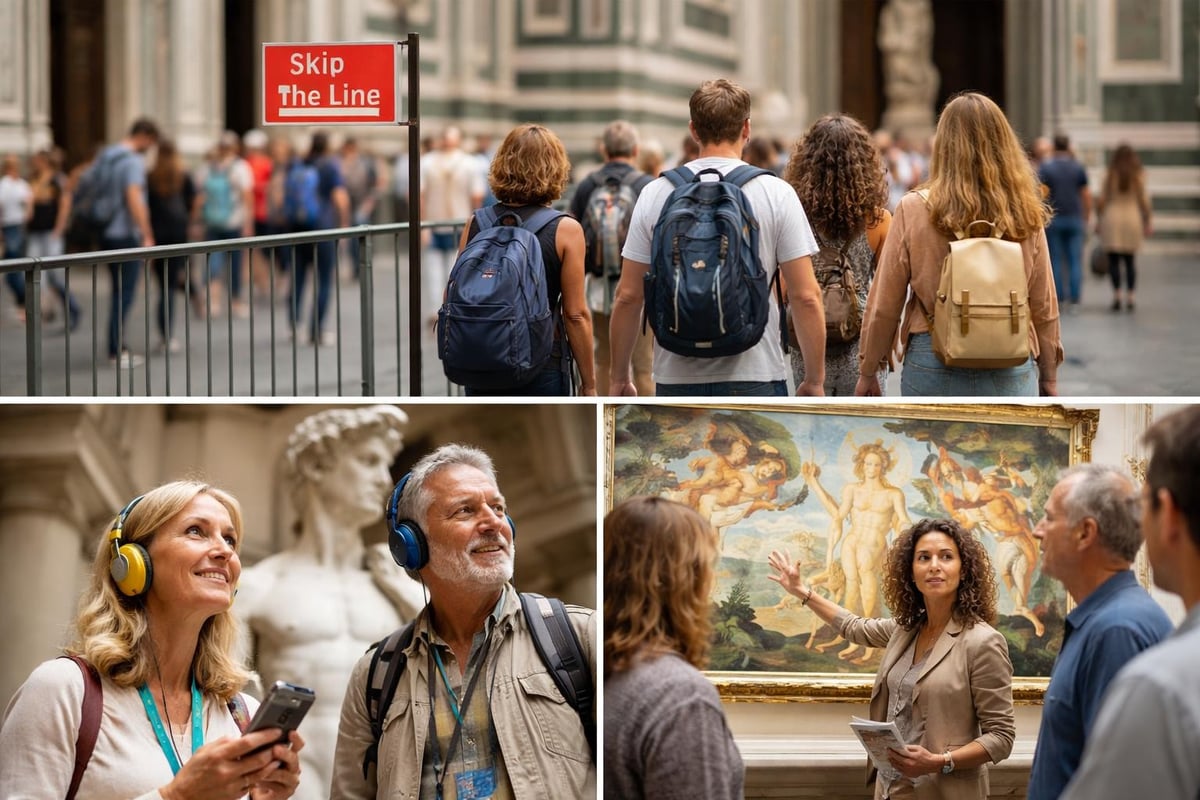
Skip-the-line access has evolved from luxury convenience to practical necessity at Florence's major monuments. Standard entry queues at the Accademia Gallery and cathedral complex can exceed two hours during high season, effectively consuming half a day that could be spent experiencing additional attractions.
Timing and Seasonal Factors
Different seasons offer distinct advantages for various florence activities:
- Spring (March-May): Pleasant weather, garden blooms, moderate crowds
- Summer (June-August): Longest daylight hours, outdoor evening events, heaviest tourism
- Fall (September-November): Comfortable temperatures, harvest season, cultural programming resumes
- Winter (December-February): Smallest crowds, lower prices, authentic local atmosphere
Morning hours typically see lighter crowds at most attractions, with mid-afternoon representing peak congestion. Late afternoon visits, when available, offer softer lighting for photography and more intimate viewing experiences.
Beyond the Highlights: Hidden Gems
While the Duomo, David, and Uffizi Gallery rightfully attract attention, Florence rewards exploratory visitors with numerous lesser-known treasures. The Bargello Museum houses exceptional Renaissance sculpture in a former prison building, including works by Donatello, Cellini, and early Michelangelo pieces. The building's courtyard and architectural details merit appreciation independent of the sculpture collection.
The recently reopened Vasari Corridor, following eight years of restoration, offers a unique elevated walkway connecting Palazzo Vecchio to Pitti Palace across the Arno River. This exclusive passageway once allowed Medici rulers to travel between residences without mixing with common citizens, and now provides extraordinary views of the Ponte Vecchio and city below.
Artisan Workshops and Authentic Experiences
Traditional craftsmanship thrives in Florence's Oltrarno district, where leather artisans, goldsmiths, and frame makers continue centuries-old techniques. Visiting working workshops provides insight into the practical skills that supported Renaissance artistic achievement and continues supporting Florence's economy today. Many artisans welcome visitors and explain their processes, offering authentic cultural encounters that contrast with museum-based florence activities.
Maximizing Your Florence Experience
Combining different types of experiences creates a richer understanding of Florence than focusing exclusively on major museums. A balanced itinerary might include iconic artworks, architectural marvels, local culinary experiences, artisan workshops, and green spaces. This variety prevents museum fatigue while providing multiple perspectives on Florentine culture.
Timed-entry reservations allow you to structure days efficiently, knowing exactly when you'll access major attractions and can plan meals, shopping, or walking tours around confirmed time slots. This system eliminates uncertainty and helps maximize productive sightseeing hours.
| Access Type | Best For | Advantages | Considerations |
|---|---|---|---|
| Skip-the-line tickets | Independent travelers | Flexibility, cost-effective | Self-guided experience |
| Audio guide entry | Solo visitors, couples | Informative, own pace | No personalization |
| Small group tours | Social travelers | Shared experience, moderate cost | Fixed schedule |
| Private guided tours | In-depth learning | Customized, expert knowledge | Higher investment |
Understanding these options helps match florence activities to personal travel styles and priorities. Budget-conscious travelers might reserve skip-the-line access for the most crowded attractions while enjoying general admission at smaller museums, while those valuing expertise might prioritize guided experiences at key sites.
The comprehensive offerings at EU Tours demonstrate the range of access options available for Florence's major landmarks, from flexible timed entry to fully hosted private experiences. Matching the right access type to each attraction optimizes both time and enjoyment.
Culinary and Market Experiences
Florence's food culture represents another essential dimension of the city's character, with traditional dishes reflecting Tuscan agricultural heritage and historical influences. The Central Market (Mercato Centrale) combines a ground-floor fresh produce and meat market with an upstairs food hall featuring local specialties, creating an authentic culinary experience distinct from tourist-oriented restaurants.
Cooking classes have become increasingly popular florence activities, often including market visits to select ingredients before hands-on instruction in preparing traditional dishes like ribollita, pappa al pomodoro, or handmade pasta. These experiences provide practical skills and cultural insights that extend the value of your visit long after returning home.
Wine appreciation represents another rich avenue for exploration, with Florence serving as a gateway to renowned Tuscan wine regions like Chianti, Montalcino, and Montepulcino. Even within the city, enotecas offer curated tasting experiences that introduce visitors to regional varietals and production methods.
Florence offers an extraordinary concentration of artistic, architectural, and cultural treasures that require strategic planning to experience fully. From securing skip-the-line access to major landmarks to discovering hidden artisan workshops, thoughtful preparation ensures you'll maximize every moment in this Renaissance jewel. Whether you're drawn to Michelangelo's sculptures, Brunelleschi's architectural innovations, or authentic Tuscan experiences, EU Tours provides the access, expertise, and flexibility to create your ideal Florence experience with priority entry, multilingual audio guides, and private expert-led tours at the city's most iconic destinations.