
Palazzo Vecchio Florence Italy: Ultimate Guide 2026
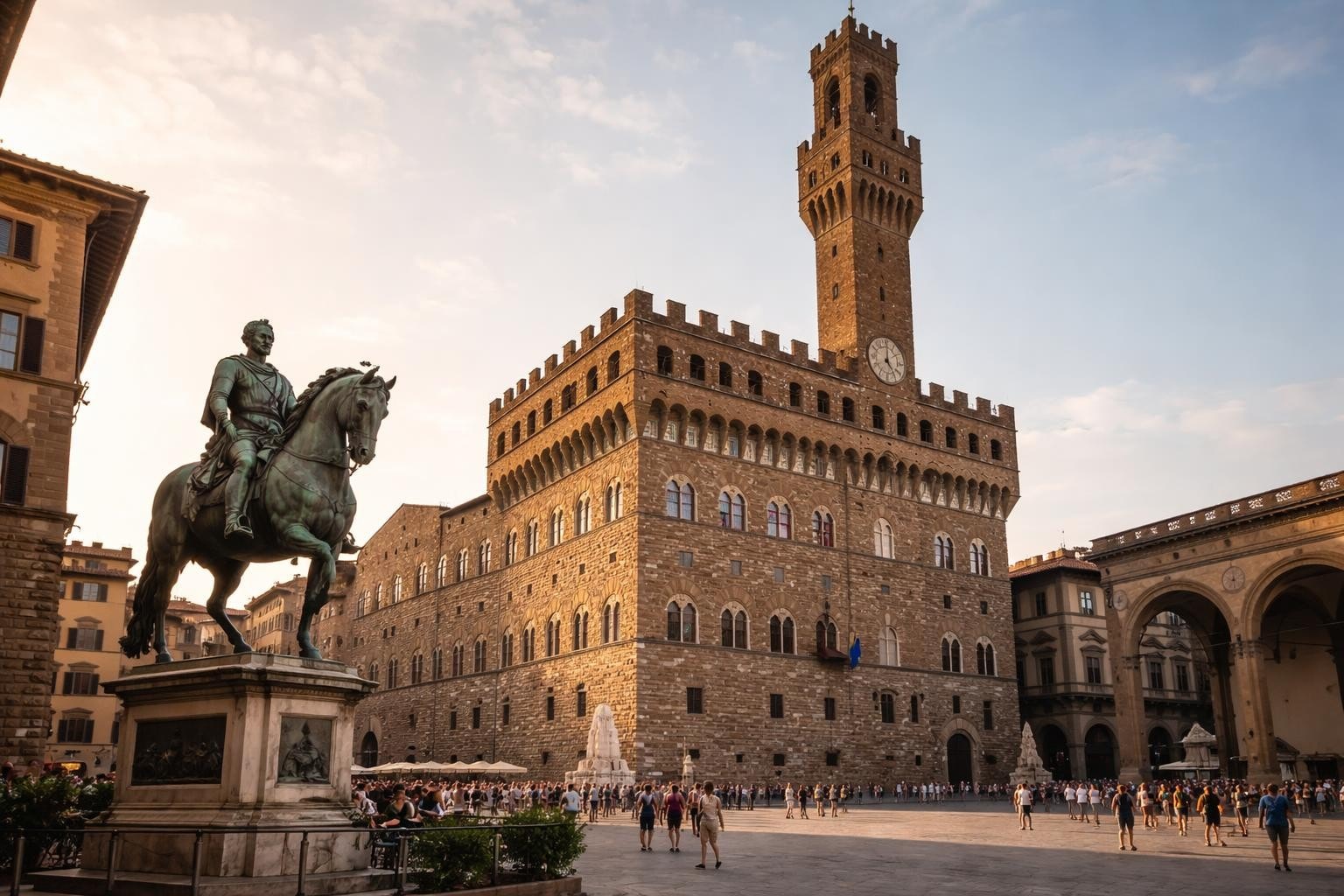
Standing tall in Piazza della Signoria, Palazzo Vecchio Florence Italy represents more than seven centuries of political power, artistic innovation, and Renaissance magnificence. This fortress-like palace has served as Florence's town hall since 1299, witnessing the rise and fall of the Medici dynasty, hosting legendary artists like Leonardo da Vinci and Michelangelo, and preserving some of the most breathtaking frescoes and sculptures of the Italian Renaissance. Today, visitors from around the world explore its ornate chambers, secret passages, and towering Arnolfo Tower to experience firsthand the grandeur that defined Florence's golden age.
Architectural Masterpiece and Historical Significance
The foundation of Palazzo Vecchio Florence Italy was laid in 1299 under the design of Arnolfo di Cambio, who envisioned a fortified structure that would symbolize the strength and independence of the Florentine Republic. The building's distinctive crenellated tower, rising 94 meters above the piazza, became an instantly recognizable landmark that dominated the city's skyline for centuries.
The Evolution Through Political Eras
Originally named Palazzo della Signoria, the structure housed the Signoria of Florence, the supreme governing body of the medieval republic. The building underwent its most dramatic transformation when Duke Cosimo I de' Medici moved his court here in 1540, commissioning Giorgio Vasari to renovate and expand the palace into a residence worthy of ducal status.
Key historical periods include:
- 1299-1540: Seat of republican government and civic pride
- 1540-1565: Primary residence of the Medici grand dukes
- 1865-1871: Temporary home of the Italian Parliament when Florence served as capital
- 1872-present: Florence's city hall and premier cultural museum
When Cosimo I relocated to the grander Palazzo Pitti in 1565, this building earned its current name, Palazzo Vecchio (Old Palace), distinguishing it from the new ducal residence. The Vasari Corridor, a secret elevated passageway, connected both palaces, allowing the Medici family to move between residences without mingling with common citizens.
Interior Chambers and Renaissance Artworks
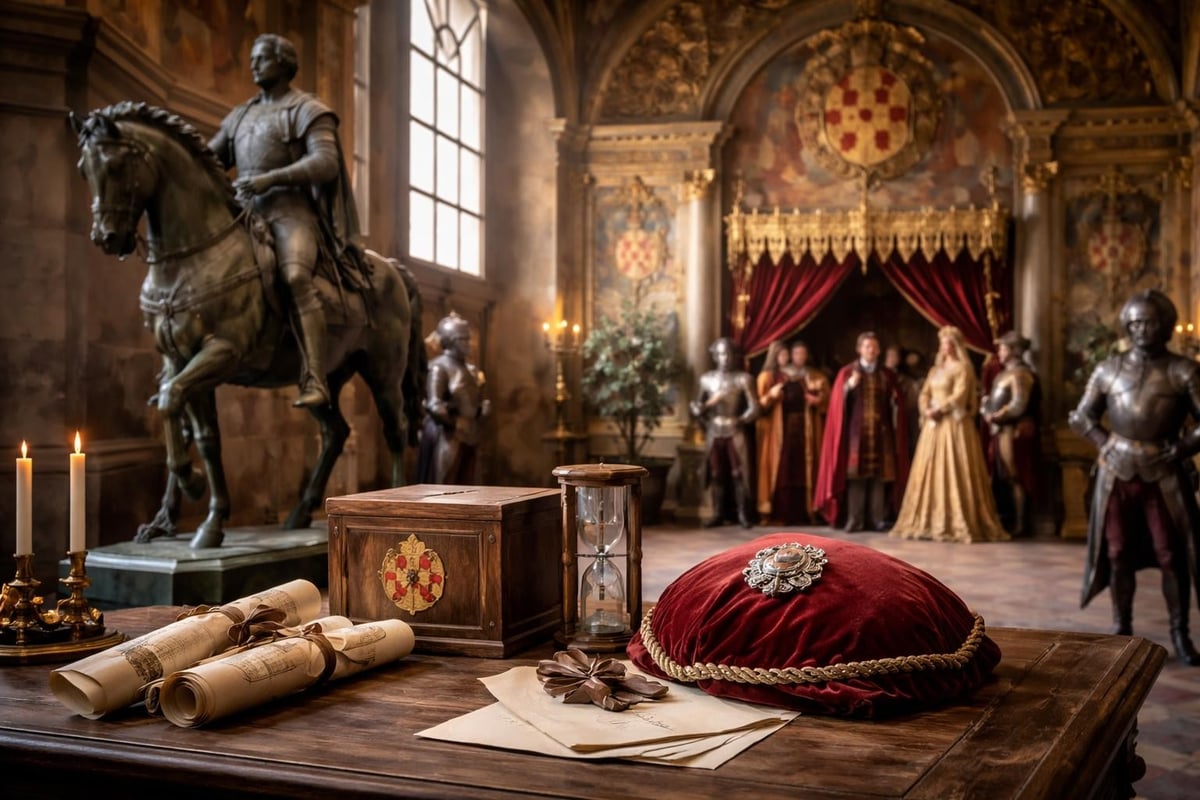
Palazzo Vecchio Florence Italy contains some of the most spectacular Renaissance interiors in existence, with each room telling a different chapter of Florentine history through frescoes, sculptures, and architectural details that have remained largely unchanged since the 16th century.
The Salone dei Cinquecento
This massive ceremonial hall stretches 54 meters long and 23 meters wide, making it one of the largest and most impressive civic spaces in Italy. Vasari designed the ceiling panels to glorify Cosimo I's military victories and political achievements through 39 elaborate paintings that showcase the duke's divine right to rule.
The walls feature enormous frescoes depicting Florence's triumphs over rival cities, including the Battle of Marciano and the Conquest of Siena. Leonardo da Vinci once began painting the Battle of Anghiari on one wall, though the work was never completed and remains lost to history, sparking centuries of speculation about hidden artwork beneath Vasari's later frescoes.
| Feature | Details | Significance |
|---|---|---|
| Dimensions | 54m × 23m × 18m high | Largest civic hall in Florence |
| Ceiling Panels | 39 painted coffers | Chronicle of Medici achievements |
| Wall Frescoes | Six massive battle scenes | Military propaganda and civic pride |
| Sculptures | Michelangelo's Victory | Renaissance masterpiece originally intended for Pope Julius II's tomb |
The Quarters of the Elements and Eleanor
Beyond the grand ceremonial spaces, the private apartments reveal intimate details of courtly life during the Renaissance. The Quarters of the Elements, designed for Duke Cosimo I, feature rooms dedicated to different classical gods, each decorated with allegorical frescoes connecting mythological themes to Medici virtues.
The adjacent Quarters of Eleanor of Toledo, Cosimo's Spanish wife, display remarkably preserved 16th-century decor, including her private chapel adorned with frescoes by Bronzino. These chambers demonstrate the sophisticated taste and international connections of the Medici court.
Strategic Location and Surrounding Attractions
The positioning of Palazzo Vecchio Florence Italy in the heart of the historic center makes it the ideal starting point for exploring Florence's Renaissance treasures. The palace anchors the southern end of Piazza della Signoria, one of Europe's most beautiful public squares, surrounded by architectural and sculptural masterpieces.
Piazza della Signoria: An Open-Air Museum
The square itself functions as an extension of the palace, displaying sculpture that reinforces political messages and artistic excellence. The Loggia dei Lanzi shelters Renaissance and Classical sculptures, while the Fountain of Neptune commemorates Tuscan naval power through Bartolomeo Ammannati's massive marble creation completed in 1574.
Notable sculptures in the piazza:
- Michelangelo's David (replica, original in Accademia Gallery)
- Benvenuto Cellini's Perseus with the Head of Medusa
- Giambologna's Rape of the Sabine Women
- Baccio Bandinelli's Hercules and Cacus
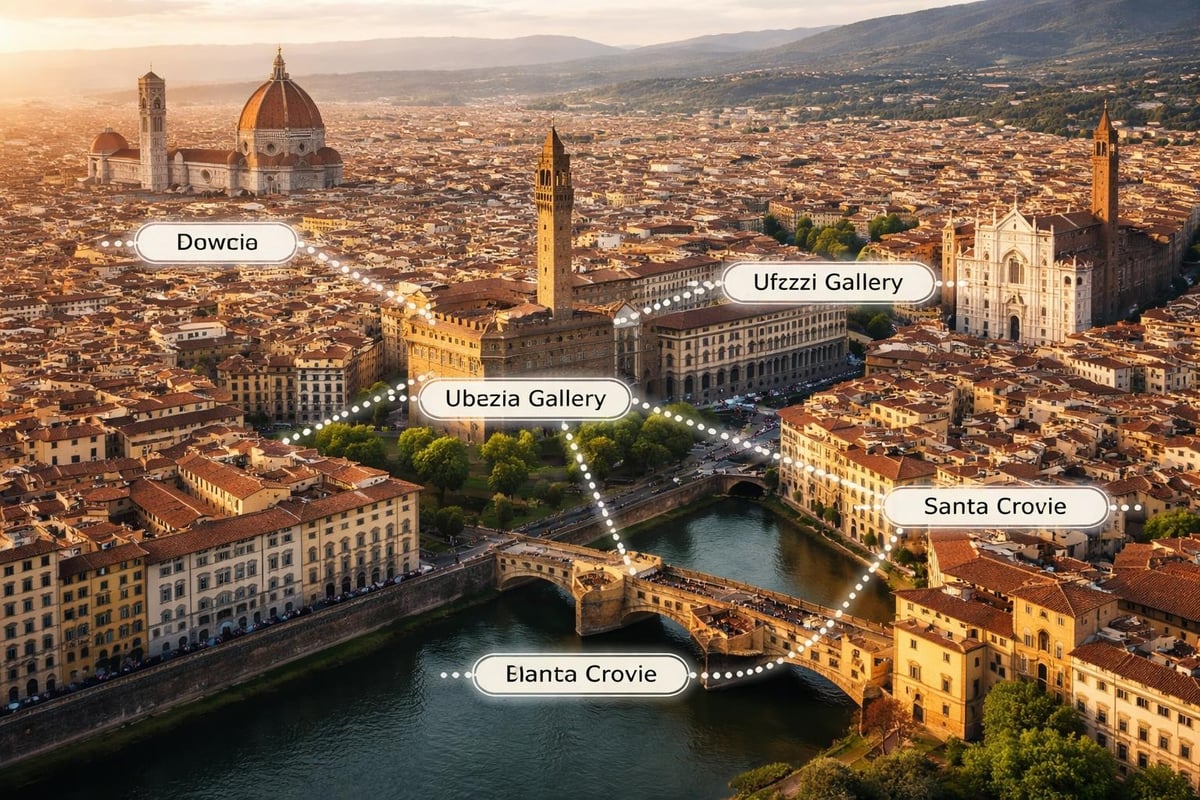
From Palazzo Vecchio, visitors can easily walk to other essential Florentine landmarks within minutes. The Uffizi Gallery lies adjacent to the palace, connected through a covered passageway. The Florence Cathedral (Duomo) stands just 300 meters north, while the Ponte Vecchio spans the Arno River only 400 meters southwest.
Visitor Experience and Skip-the-Line Access
Understanding the practical aspects of visiting Palazzo Vecchio Florence Italy helps maximize your experience while minimizing time spent in queues. The palace attracts over 400,000 visitors annually, with peak crowds during summer months and major Italian holidays creating wait times that can exceed two hours.
Ticketing Options and Entry Solutions
Modern visitors have several entry methods to choose from, each offering different levels of convenience and enrichment. Standard admission tickets purchased at the door provide basic entry but offer no time-saving benefits during busy periods. Timed-entry reservations guarantee access at specific time slots, reducing uncertainty but not necessarily eliminating waiting.
Comparison of visit formats:
| Visit Type | Queue Time | Audio Guide | Expert Commentary | Group Size | Price Range |
|---|---|---|---|---|---|
| Walk-up Ticket | 30-120 min | Not included | No | No limit | €12-18 |
| Timed Entry + Audio | 5-15 min | Included | Pre-recorded | Self-paced | €20-28 |
| Small Group Tour | Minimal | No | Live expert | 6-15 people | €45-65 |
| Private Tour | None | Optional | Dedicated guide | Your party only | €150-350 |
Skip-the-line tickets with priority access provide the most significant time savings, allowing visitors to bypass general admission queues entirely. These reservations work particularly well for travelers on tight schedules who want to maximize their time exploring Florence's numerous attractions rather than waiting in lines.
Audio-Guided and Expert-Led Tours
The complexity and historical depth of Palazzo Vecchio Florence Italy make guided experiences exceptionally valuable. Audio guides available in multiple languages provide room-by-room commentary, explaining the symbolism in Vasari's frescoes, identifying figures in group portraits, and revealing the political motivations behind artistic commissions.
Private expert-led tours offer even deeper insights, with knowledgeable guides who can answer specific questions, adjust pacing to your interests, and share stories not included in standard audio commentary. These specialists often have backgrounds in art history or Renaissance studies, bringing academic expertise to their interpretations of the palace's treasures.
Hidden Gems and Secret Passages
Beyond the public state rooms, Palazzo Vecchio Florence Italy conceals extraordinary spaces that many visitors overlook. These hidden areas offer unique perspectives on Renaissance life, political intrigue, and architectural innovation that complement the more famous chambers.
The Secret Routes of Duke Cosimo
The "Secret Routes" tour reveals passages built by the Medici to move through the palace unseen and escape potential threats. These narrow corridors, concealed staircases, and hidden rooms between walls demonstrate the paranoia and political calculations that accompanied Renaissance power.
Visitors on these specialized tours discover:
- The studiolo of Francesco I, a windowless meditation chamber covered in allegorical paintings
- Hidden staircases allowing the duke to appear unexpectedly in different parts of the palace
- Original 16th-century graffiti left by workers and visitors
- The massive roof structure supporting Vasari's coffered ceiling in the Salone dei Cinquecento
The Arnolfo Tower Experience
Climbing the 418 steps to the top of Palazzo Vecchio's tower rewards visitors with unparalleled panoramic views of Florence and the surrounding Tuscan hills. The ascent passes through the ancient prison cells where prominent political prisoners, including Cosimo the Elder and Girolamo Savonarola, were held during periods of civic turmoil.
The tower climb requires moderate fitness and is not suitable for those with mobility limitations, but the 360-degree vista from the top provides photography opportunities and perspectives impossible to obtain anywhere else in central Florence. On clear days, visibility extends to the Apennine Mountains and the hills of Chianti wine country.
Art and Symbolism in Medici Propaganda
The artistic program at Palazzo Vecchio Florence Italy represents one of history's most sophisticated examples of visual propaganda, where every fresco, sculpture, and architectural detail reinforces the Medici family's claim to legitimate authority over Florence and Tuscany.
Vasari's Visual Storytelling
Giorgio Vasari, better known today as the author of "Lives of the Artists," served as both architect and principal artist during the palace's 1550s transformation. His frescoes throughout the building construct a narrative linking the Medici to classical heroes, biblical kings, and mythological gods, suggesting their rule was ordained by divine providence rather than merely political maneuvering.
Recurring symbolic elements include:
- Capricorn motifs: Cosimo I's zodiac sign appears in countless decorative details
- Allegories of virtue: Justice, Prudence, Fortitude, and Temperance justify ducal authority
- Military victories: Battle scenes demonstrate martial prowess and territorial expansion
- Urban development: Paintings showcase civic improvements and architectural projects
According to Britannica’s comprehensive overview, the palace's artistic program exemplifies how Renaissance rulers used art to legitimize power and shape public perception of their dynasties.
The Vasari Corridor Connection
The recently restored Vasari Corridor represents one of the most extraordinary architectural features connected to Palazzo Vecchio Florence Italy. This elevated passageway, commissioned by Cosimo I in 1565 and completed in just five months, stretches nearly one kilometer from Palazzo Vecchio through the Uffizi, across the Ponte Vecchio, and finally to Palazzo Pitti.
Historical Purpose and Modern Access
The corridor served multiple functions for the Medici rulers. Primarily, it allowed the ducal family to move between their official seat of government and their private residence without exposure to potential assassins or the unpleasant sights and smells of the crowded medieval streets below. Additionally, the passageway displayed the family's extensive art collection in a private gallery accessible only to the Medici and their honored guests.
After decades of closure for safety concerns and restoration work, the Vasari Corridor reopened in 2024 following extensive renovations that modernized fire safety systems while preserving the passage's Renaissance character. Today's visitors can experience this remarkable feat of Renaissance engineering through specially arranged tours that provide access to areas once reserved exclusively for Florence's most powerful family.
Planning Your Visit to Palazzo Vecchio
Strategic planning ensures you experience the best of Palazzo Vecchio Florence Italy while avoiding common pitfalls that diminish many visitors' experiences. Understanding seasonal patterns, optimal timing, and combination options helps create an efficient and enriching exploration of this Renaissance landmark.
Best Times and Seasonal Considerations
Seasonal visitor patterns:
| Season | Crowd Level | Weather | Advantages | Disadvantages |
|---|---|---|---|---|
| Winter (Dec-Feb) | Low | Cold, occasional rain | Short lines, intimate experience | Limited daylight hours |
| Spring (Mar-May) | High | Mild, pleasant | Beautiful weather, full hours | Peak tourist season |
| Summer (Jun-Aug) | Very High | Hot, crowded | Long daylight, evening hours | Maximum wait times, heat |
| Fall (Sep-Nov) | Moderate-High | Comfortable | Good weather, fewer crowds than summer | Still busy in September |
Early morning visits immediately at opening (9:00 AM) provide the most peaceful experience, with smaller crowds and better lighting for photography in the state rooms. Late afternoon visits during extended summer hours offer another option for avoiding peak midday congestion.
Combining Palazzo Vecchio with Other Attractions
The proximity of Florence's major landmarks makes combination visits practical and efficient. Many visitors choose to pair Palazzo Vecchio Florence Italy with the adjacent Uffizi Gallery, creating a comprehensive Renaissance art experience in a single morning or afternoon.
Alternatively, combining a morning visit to the Accademia Gallery to see Michelangelo's David with an afternoon exploration of Palazzo Vecchio provides contrasting experiences of sculpture and fresco art while allowing midday breaks for lunch and rest. The official exhibition documentation from the City of Florence outlines current displays and helps visitors plan thematic routes through the palace.
Practical Information for International Visitors
International travelers planning to include Palazzo Vecchio Florence Italy in their Italian itinerary benefit from understanding accessibility features, available amenities, and language accommodations that ensure comfortable and enriching visits.
Accessibility and Facilities
The palace has made significant improvements to accommodate visitors with mobility limitations, though the medieval structure presents inherent challenges. An elevator provides access to the first floor (piano nobile) where the most important state rooms are located, including the Salone dei Cinquecento and the ducal apartments.
Available facilities and services:
- Wheelchair-accessible entrance through a side door
- Elevator access to main exhibition floors
- Multi-language audio guides (English, French, German, Spanish, Russian, Japanese, Chinese)
- Free coat check and bag storage (required for large bags)
- Museum shop with books, reproductions, and souvenirs
- Café with light refreshments and restrooms
The tower climb and Secret Routes tours remain inaccessible to wheelchair users due to narrow staircases and original Renaissance architecture that cannot be modified without compromising historical integrity. Visitors should realistically assess their physical capabilities before booking specialized tours involving extensive stair climbing.
Photography Policies and Etiquette
Photography without flash is permitted throughout most of Palazzo Vecchio Florence Italy for personal, non-commercial use. This policy allows visitors to capture memories and document artistic details while protecting delicate frescoes from flash damage. Tripods and selfie sticks are prohibited in all interior spaces to prevent obstruction of walkways and accidental contact with artwork.
Professional photographers and videographers must obtain advance permission and may be required to pay additional fees. During particularly crowded periods, museum staff may request that visitors limit photography time in high-traffic areas to keep groups moving and prevent bottlenecks.
Understanding Medici Family Legacy
The story of Palazzo Vecchio Florence Italy is inseparable from the Medici dynasty that transformed Florence from a republican city-state into a powerful duchy. Understanding the family's rise, artistic patronage, and political strategies enriches every aspect of a palace visit, revealing layers of meaning in artistic choices and architectural modifications.
From Bankers to Grand Dukes
The Medici family built their fortune through banking and commerce in the 15th century, using economic power to influence political decisions while nominally maintaining republican institutions. Cosimo de' Medici (1389-1464), known as Cosimo the Elder, established the family's political dominance through strategic marriages, artistic patronage, and carefully cultivated popular support.
His grandson Lorenzo the Magnificent (1449-1492) elevated the family's cultural prestige to unprecedented heights, sponsoring artists including Michelangelo, Botticelli, and Leonardo da Vinci. When the republican government briefly expelled the Medici in 1494, the family's return in 1512 set the stage for their eventual transformation from influential citizens to hereditary rulers.
Medici rulers at Palazzo Vecchio:
- Cosimo I (1537-1574): Transformed the palace into a ducal residence, commissioned Vasari's renovations
- Francesco I (1574-1587): Created the private studiolo, focused on alchemy and natural sciences
- Ferdinando I (1587-1609): Relocated permanently to Palazzo Pitti, establishing Palazzo Vecchio's current name
- Medici Grand Dukes (1609-1737): Used the palace primarily for governmental and ceremonial functions
The comprehensive information available on Wikipedia’s detailed entry traces the palace's evolution through these different political eras, showing how architectural modifications reflected shifting power dynamics.
Educational Programs and Special Events
Palazzo Vecchio Florence Italy functions as more than a static museum, hosting educational programs, temporary exhibitions, and cultural events that keep the Renaissance heritage relevant to contemporary audiences. These initiatives provide additional reasons to visit beyond the permanent collection and historic interiors.
Family-Friendly Activities and Workshops
The palace offers specialized programs designed to engage younger visitors with Renaissance history and art through interactive experiences. Costume workshops allow children to dress in period clothing while learning about daily life in Renaissance Florence. Treasure hunt activities turn exploration into a game, encouraging kids to search for specific symbols and artworks throughout the state rooms.
Educational programs include:
- Fresco painting workshops using traditional techniques
- Renaissance dance lessons in period costume
- Architecture tours explaining engineering innovations
- Family-oriented audio guides with age-appropriate content
These programs typically require advance booking and operate on specific days, generally weekends and school holidays when family visitation peaks. The palace's education department also works with schools to provide curriculum-aligned tours for student groups, introducing new generations to Florence's artistic heritage.
Contemporary Art and Temporary Exhibitions
While respecting the palace's historical character, cultural programmers occasionally install contemporary art exhibitions that create dialogues between Renaissance masterpieces and modern artistic expression. These temporary shows occupy specific rooms without disturbing the permanent collection, offering fresh perspectives on themes of power, beauty, governance, and civic identity that remain relevant across centuries.
Past exhibitions have featured contemporary interpretations of Medici portraiture, modern sculptural installations in the Salone dei Cinquecento, and digital projections that animate Vasari's frescoes with historical context and analysis. These innovative approaches appeal to younger audiences and frequent visitors who might otherwise skip a return visit to familiar spaces.
Palazzo Vecchio Florence Italy stands as an essential destination for understanding Renaissance art, Medici political power, and the cultural flowering that made Florence the cradle of European humanism. Whether you're drawn to Vasari's magnificent frescoes, the intrigue of secret passages, or the panoramic tower views, this palace offers layered experiences that reward both first-time visitors and returning enthusiasts. EU Tours specializes in skip-the-line access and expert-guided experiences at Palazzo Vecchio, offering timed-entry tickets with comprehensive audio guides, intimate small-group tours, and private expert-led visits that reveal the palace's deepest secrets and most stunning artistic achievements.