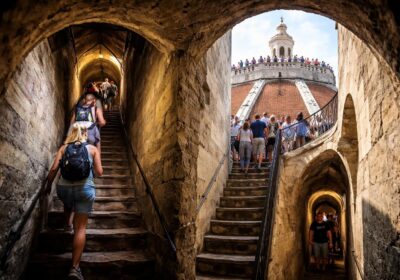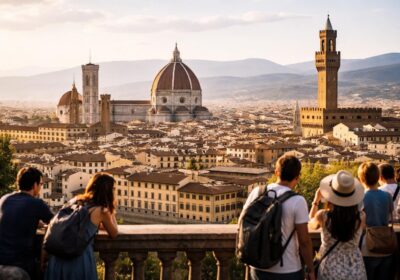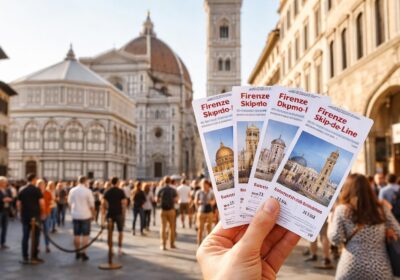

Tour Operator Florence: Your Complete 2026 Guide

Florence stands as one of Europe's most culturally significant destinations, attracting millions of visitors annually who seek to explore its Renaissance masterpieces, architectural wonders, and artistic heritage. Choosing the right tour operator Florence provides can dramatically transform your experience from a frustrating wait in endless queues to a seamless, enriching journey through centuries of human creativity. As Florence continues to implement new regulations and visitor management strategies in 2026, understanding how tour operators function and what services they offer has become essential for both first-time visitors and seasoned travelers seeking to maximize their time in this extraordinary city.
Understanding the Tour Operator Landscape in Florence
The tourism ecosystem in Florence has evolved significantly over recent years. According to Florence tourism statistics, the city welcomed over 16 million visitors in 2025, with projections showing continued growth throughout 2026. This massive influx has created a sophisticated network of tour operators specializing in various aspects of the visitor experience.
A professional tour operator Florence locals trust typically focuses on several key service areas. These include skip-the-line ticket arrangements, guided tours with licensed professionals, audio-guided experiences, and specialized thematic tours. The best operators maintain direct relationships with major attractions like the Uffizi Gallery, Accademia Gallery, and Duomo complex, ensuring reliable access even during peak seasons.
The Role of Licensed Tour Operators
Florence distinguishes between different types of tourism service providers. Licensed tour operators must comply with strict regional regulations covering business registration, insurance requirements, and consumer protection standards. The Florence Tourist Guides Association plays a crucial role in maintaining professional standards and representing the interests of qualified guides working throughout the city.
Licensed operators provide several advantages over informal booking channels:
- Guaranteed ticket availability through official allocation systems
- Professional liability insurance protecting customers
- Compliance with local regulations and cultural preservation rules
- Access to licensed guides with certified expertise
- Customer support infrastructure for resolving issues
The distinction matters significantly in 2026, as Florence has intensified enforcement against unauthorized tour services and ticket resellers operating in grey market areas.
Skip-the-Line Services and Ticket Management
Queue management represents one of the most valuable services a tour operator Florence visitors can utilize. Popular attractions regularly see wait times exceeding three hours during peak periods, particularly at the Uffizi Gallery and Accademia Gallery where Michelangelo's David resides.
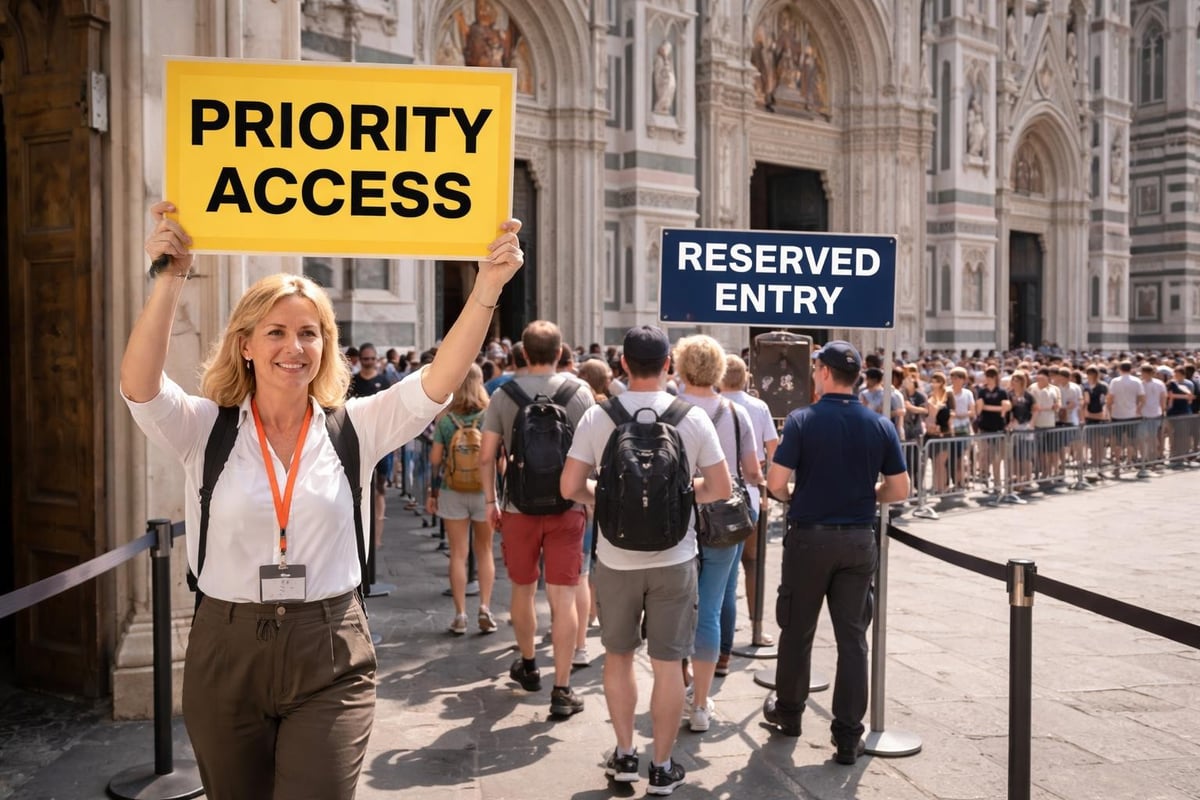
Professional tour operators maintain allocation agreements with major museums and monuments, securing timed entry slots months in advance. This system ensures visitors arrive at designated times and enter through dedicated access points, bypassing general admission queues entirely.
How Ticket Allocation Systems Work
The major Florentine museums operate sophisticated reservation systems that allocate different ticket categories throughout each day. A knowledgeable tour operator Florence museums recognize works within these parameters:
| Ticket Type | Advance Booking Window | Typical Access Time | Flexibility |
|---|---|---|---|
| Individual Reserved | 1-3 months | 15-minute window | Low |
| Tour Operator Allocation | 3-6 months | 30-minute window | Medium |
| Group Reservations | 4-6 months | 1-hour window | High |
| Same-Day General Admission | Walk-up only | Variable | Very Low |
Tour operators secure their allocations during the early booking window, then distribute these slots across their customer base. This advance planning creates availability when individual travelers find attractions sold out weeks ahead.
For groups and travel agencies, the Firenzecard tour operator purchase program offers additional advantages through bulk purchasing options and streamlined access procedures across multiple venues.
Navigating New Regulations Affecting Tour Operations
Florence has implemented several significant regulatory changes affecting how tour operators conduct business within the historic center. Understanding these regulations helps visitors appreciate why professional operators structure their services in specific ways.
The 2024-2025 period saw Florence introduce multiple measures addressing overtourism concerns. New rules banning key boxes for short-term rentals were implemented alongside restrictions on tour guide equipment to preserve the city's character and reduce congestion.
Audio Equipment Restrictions
Perhaps most impactful for tour operators, Florence banned amplifiers and loudspeakers in the historic center starting in 2024. As detailed in VOX Tours’ analysis of the guiding regulations, this measure aims to reduce noise pollution while maintaining quality tour experiences.
Professional tour operator Florence companies now utilize:
- Wireless headset systems for group tours
- Audio receiver devices with directional transmission
- Reduced group sizes to enable natural voice projection
- Strategic positioning in less crowded areas during explanations
These adaptations require investment in quality equipment and training, distinguishing professional operators from casual guides attempting to work around the regulations.
Transportation Restrictions
The city has also addressed transportation within the historic center. Florence’s ban on atypical tourist vehicles eliminated rickshaws, golf carts, and similar conveyances from the most congested areas. This affects how tour operators design their experiences, shifting toward walking tours and strategically positioned meeting points accessible by public transportation or authorized vehicles.
Specialized Tour Categories and Experiences
The modern tour operator Florence market extends far beyond basic museum entry. Specialized experiences have emerged catering to diverse interests and travel styles.
Art and Architecture Tours
These remain the cornerstone of Florence tourism. Comprehensive programs include:
- Renaissance Masters Tours – Focused experiences at the Uffizi covering Botticelli, Leonardo, and Raphael
- Sculpture and David Tours – In-depth Accademia visits with contextual information about Michelangelo's techniques
- Duomo Complex Experiences – Combined tickets covering the cathedral, baptistry, bell tower, and museum
- Hidden Churches – Less-visited sites like Santa Maria Novella and Santo Spirito
Tour operators add value through expert guides who provide historical context, artistic interpretation, and connections between different works and periods that independent visitors might miss.
Culinary and Wine Experiences
Florence's gastronomic heritage has spawned an entire category of specialized tours. These experiences often combine:
- Market visits to San Lorenzo or Sant'Ambrogio
- Traditional trattoria meals with historical context
- Wine tastings featuring Chianti and Super Tuscan varieties
- Cooking classes using traditional Florentine recipes
- Olive oil and balsamic vinegar producer visits
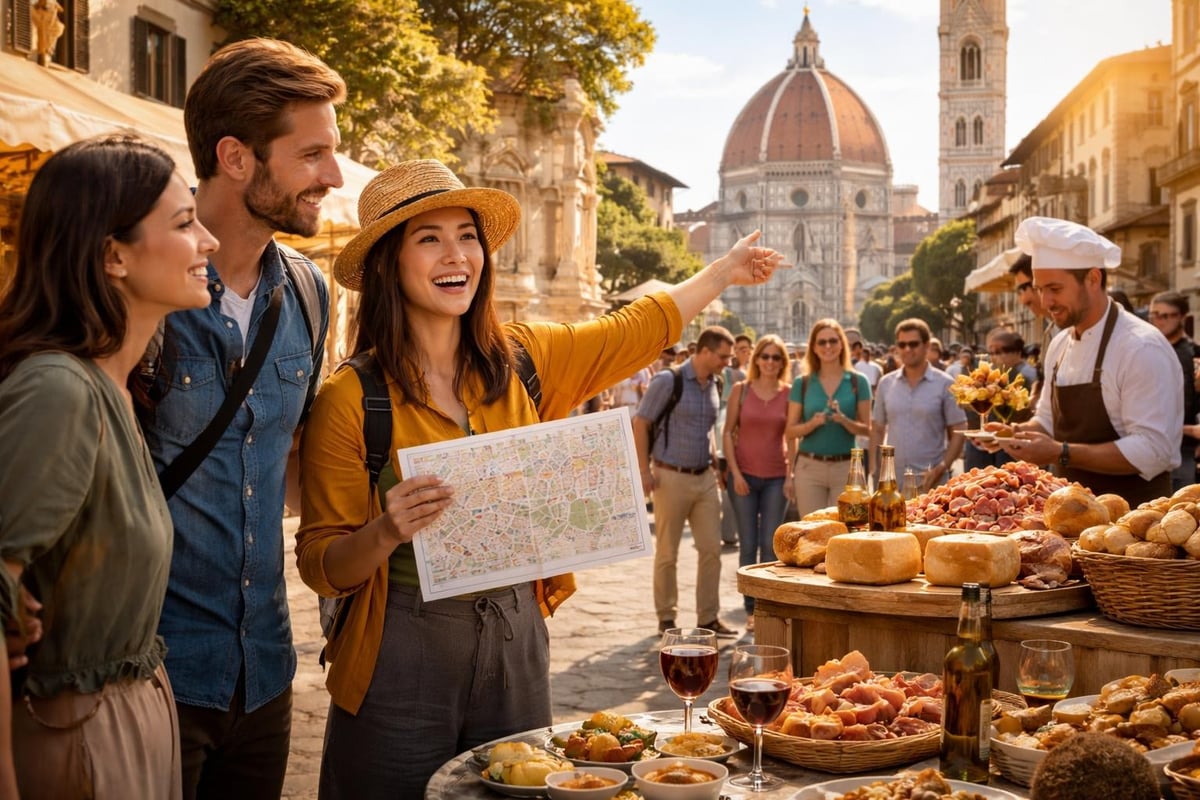
A quality tour operator Florence food enthusiasts appreciate integrates these culinary elements with cultural education about how Tuscan cuisine developed alongside the region's history.
Day Trips to Tuscan Destinations
Beyond Florence proper, tour operators organize excursions throughout Tuscany. Popular destinations include:
- Siena – Medieval architecture and the Palio horse race traditions
- San Gimignano – Medieval towers and vernaccia wine production
- Chianti Region – Vineyard tours and wine estate visits
- Pisa – Leaning Tower and Piazza dei Miracoli
- Lucca – Renaissance walls and historic town center
These day trips require different logistics than city tours, involving transportation coordination, multi-venue timing, and regional guide licensing requirements.
Evaluating Tour Operator Quality and Reliability
Not all tour operators provide equivalent service quality. Several criteria help distinguish exceptional operators from mediocre ones.
Credentials and Certifications
Legitimate tour operators possess several verifiable credentials:
- Regional business registration with Tuscany tourism authorities
- Tax identification numbers and transparent invoicing
- Professional liability insurance documentation
- Partnerships with official attractions and venues
- Membership in professional associations like tourism boards
Visitors should verify these credentials before booking, particularly when making advance payments for services.
Guide Qualifications
The tour operator Florence visitors choose should employ only licensed guides. Florence requires guides to pass rigorous examinations covering art history, local history, foreign languages, and guiding techniques. Licensed guides carry official identification cards issued by the regional government.
Quality indicators for guide services include:
| Factor | Professional Standard | Warning Signs |
|---|---|---|
| Licensing | Current regional guide license | No credentials shown |
| Languages | Native or fluent proficiency | Heavy accent, limited vocabulary |
| Group Size | Maximum 20-25 people | Groups exceeding 30 people |
| Equipment | Professional headset systems | Loud amplifiers, informal setups |
| Knowledge | Detailed, nuanced explanations | Generic, superficial commentary |
The Prefecture of Florence provides behavioral guidelines for tourists that include warnings about unauthorized guides and tourism scams.
Booking Strategies and Timing Considerations
Securing services from a tour operator Florence peak season requires strategic planning. The tourism calendar significantly impacts availability and pricing.
Peak Season Planning
Florence experiences distinct seasonal patterns:
- High Season (April-October) – Maximum visitor numbers, highest prices, advance booking essential
- Shoulder Season (March, November) – Moderate crowds, better availability, favorable weather
- Low Season (December-February) – Minimum crowds, best prices, some attractions have reduced hours
Booking timelines vary by season. During high season, securing tickets and tours 2-3 months in advance prevents disappointment. Major attractions like the Uffizi and Accademia often sell out their advance reservation slots 4-6 weeks ahead during peak periods.
Price Transparency and Value Assessment
Reputable tour operators maintain transparent pricing structures. When evaluating costs, consider what the total package includes:
- Entry tickets – Often the largest cost component
- Guide services – Professional fees for licensed guides
- Equipment rental – Headset systems for larger groups
- Coordination fees – Administrative costs and customer support
- Service guarantees – Cancellation policies and alternative arrangements
Comparing prices requires examining equivalent services. A seemingly cheaper option might exclude entry tickets, provide unlicensed guides, or offer no recourse if problems arise.
Technology Integration in Modern Tour Operations
Contemporary tour operators leverage technology to enhance service delivery and customer experience. Digital innovations have transformed how tour operator Florence businesses function in 2026.
Digital Ticketing Systems
Paper tickets have largely disappeared, replaced by QR codes and digital confirmations. Modern systems provide:
- Mobile ticket delivery direct to smartphones
- Real-time confirmation of bookings and changes
- Digital check-in at attraction entrances
- Automatic reminders for upcoming tours
- Instant customer support through messaging apps
These systems reduce administrative overhead while providing customers greater convenience and flexibility.
Virtual Preview Experiences
Some tour operators now offer virtual preview experiences allowing potential visitors to sample what tours include. These digital experiences feature:
- 360-degree photography of major attractions
- Video introductions with guide commentary
- Interactive maps showing tour routes
- Sample explanations of featured artworks
- Customer testimonials and reviews
Virtual previews help visitors make informed decisions about which experiences best match their interests and expectations.

Sustainable Tourism Practices
Florence's struggle with overtourism has made sustainability a crucial consideration for responsible tour operators. The city's initiatives to preserve its cultural heritage while maintaining tourism viability affect how ethical operators design their services.
Group Size Management
Smaller groups create better experiences while reducing impact on crowded sites. Progressive tour operators have adopted policies limiting group sizes to 15-20 participants maximum, even when regulations permit larger groups. This approach provides:
- More intimate interaction with guides
- Less congestion at viewing points
- Reduced noise and disruption
- Better ability to hear and engage with commentary
- More personalized attention to individual questions
Off-Peak Scheduling
Distributing visitor flows throughout the day and week helps reduce pressure on popular sites. A conscientious tour operator Florence sustainability advocates support schedules tours during less crowded periods, including:
- Early morning slots before general admission crowds arrive
- Late afternoon time windows when day-trippers depart
- Weekday scheduling when possible
- Seasonal distribution avoiding absolute peak dates
These practices benefit both visitors (better experiences) and the city (reduced strain on infrastructure and cultural sites).
Special Considerations for Different Traveler Types
Different visitor categories have distinct needs that specialized tour operators address through tailored services.
Family-Oriented Tours
Families with children require adapted experiences. Family-focused tour operator Florence services include:
- Shorter tour durations matching children's attention spans
- Interactive elements and activities maintaining engagement
- Age-appropriate explanations and storytelling approaches
- Flexible pacing accommodating breaks and individual needs
- Priority access minimizing wait times that frustrate young travelers
Operators specializing in family tours often employ guides with educational backgrounds or child psychology training.
Accessibility Services
Visitors with mobility limitations need operators understanding Florence's challenging terrain. The historic center features cobblestone streets, limited elevator access, and architectural barriers in centuries-old buildings. Specialized operators provide:
- Wheelchair-accessible route planning
- Vehicle transportation to minimize walking distances
- Advance coordination with attractions for accessibility accommodations
- Trained guides experienced with accessibility needs
- Alternative itineraries when standard routes prove inaccessible
Private and VIP Experiences
High-end travelers seeking exclusive experiences find specialized operators offering:
- Private guide services – Dedicated guides for individuals or small private groups
- After-hours access – Special arrangements for viewing attractions outside public hours
- Curator-led tours – Experiences with museum curators and art historians
- Customized itineraries – Fully personalized programs based on specific interests
- Luxury transportation – Premium vehicles with professional drivers
These premium services command substantially higher prices but deliver unmatched flexibility and exclusivity.
The Economic Impact of Tour Operators
Tour operators serve as crucial intermediaries in Florence's tourism economy. Their role extends beyond simple ticket sales to encompass broader economic and cultural functions.
Supporting Local Businesses
Professional tour operators create economic opportunities throughout Florence's tourism ecosystem. Their operations support:
- Licensed guides and tourism professionals
- Restaurant and hospitality establishments
- Artisan workshops and traditional crafts
- Transportation services and logistics providers
- Cultural institutions through consistent visitor flows
This distributed economic impact helps sustain Florence's unique character by making traditional businesses and cultural preservation economically viable.
Quality Control Functions
Tour operators serve informal quality control roles within the tourism sector. By selecting which guides to employ, which restaurants to recommend, and which experiences to feature, they influence service standards across the industry. Reputable operators maintain relationships only with providers meeting professional standards, creating incentive structures that reward quality and penalize substandard service.
Making the Final Selection
Choosing among the many tour operator Florence options requires systematic evaluation. A decision-making framework helps ensure satisfaction with your choice.
Research and Verification Steps
Before committing to a tour operator, complete these verification steps:
- Read recent reviews from multiple platforms (TripAdvisor, Google, industry sites)
- Verify licensing and credentials through regional tourism authority databases
- Examine website professionalism and information transparency
- Test customer service responsiveness with pre-booking questions
- Compare detailed itineraries rather than just headlines and prices
- Check cancellation policies and what protections exist if plans change
Red Flags to Avoid
Certain warning signs indicate operators that may deliver disappointing experiences:
- Extremely low prices that seem too good to be true
- Vague or incomplete itinerary information
- Pressure tactics urging immediate booking decisions
- Inability to provide licensing or credential documentation
- Poor communication or delayed responses to inquiries
- Negative patterns in recent customer reviews
- Requests for payment through informal channels
Trust your instincts when something feels questionable. Established operators with solid reputations have no need for high-pressure sales tactics or opacity about their services.
The Value of Specialization
Tour operators focusing on specific niches often deliver superior experiences within their specialization. An operator concentrating exclusively on art tours typically provides deeper expertise than a generalist offering everything from cooking classes to Vespa rentals. Consider whether your interests align with an operator's core competencies.
Working With Your Tour Operator
Once you've selected a tour operator Florence trip planning becomes collaborative. Maximizing your experience requires effective communication and preparation.
Pre-Trip Communication
Share relevant information with your operator before arrival:
- Physical limitations affecting walking distance or stair climbing
- Specific interests within broader categories (particular artists, historical periods)
- Dietary restrictions for experiences including meals
- Language preferences and proficiency levels
- Time constraints or other scheduled commitments
This information allows operators to customize experiences and avoid disappointing discoveries after tours begin.
During Your Visit
Active participation enhances tour experiences. Engage with your guide through questions, seek recommendations for additional activities, and provide feedback about pacing and content depth. Professional guides appreciate engaged participants and often share additional insights with groups showing genuine interest.
Post-Visit Feedback
Sharing honest feedback benefits both the operator and future travelers. Detailed reviews highlighting specific strengths and weaknesses help operators improve services while assisting other visitors in making informed choices. Many operators offer incentives for reviews, but honest assessment matters more than positive sentiment alone.
Successfully navigating Florence's rich cultural offerings requires expertise, planning, and access that professional tour operators provide. The regulatory environment, ticket allocation systems, and sheer popularity of major attractions make independent planning increasingly challenging in 2026. EU Tours specializes in skip-the-line tickets and expert-guided experiences at Florence's most iconic attractions, from the Duomo and Uffizi to Palazzo Pitti and beyond. Whether you're planning your first visit or returning to explore deeper dimensions of Renaissance art and culture, partnering with knowledgeable specialists transforms logistical challenges into seamless, enriching experiences that let you focus on what matters most: connecting with centuries of human creativity in one of the world's most extraordinary cities.